

The heartbreaking murder of Ukrainian refugee Iryna Zarutska on Charlotte’s Lynx Blue Line isn’t just a random tragedy—it’s a wake-up call. The suspect, Decarlos Brown Jr., carried a long history of violent behavior, schizophrenia, and more than a dozen arrests. Despite this record, he walked free under a cashless bail system, released only on a promise to return to court.
This wasn’t an isolated mistake. It was the predictable outcome of policies that remove accountability and gamble with public safety.
When Bail Disappears, Crime Rises
Advocates for cashless bail often argue it’s “fair” for people who can’t afford traditional bail. In practice, however, the system too often becomes a revolving door for high-risk offenders. The data makes it clear:
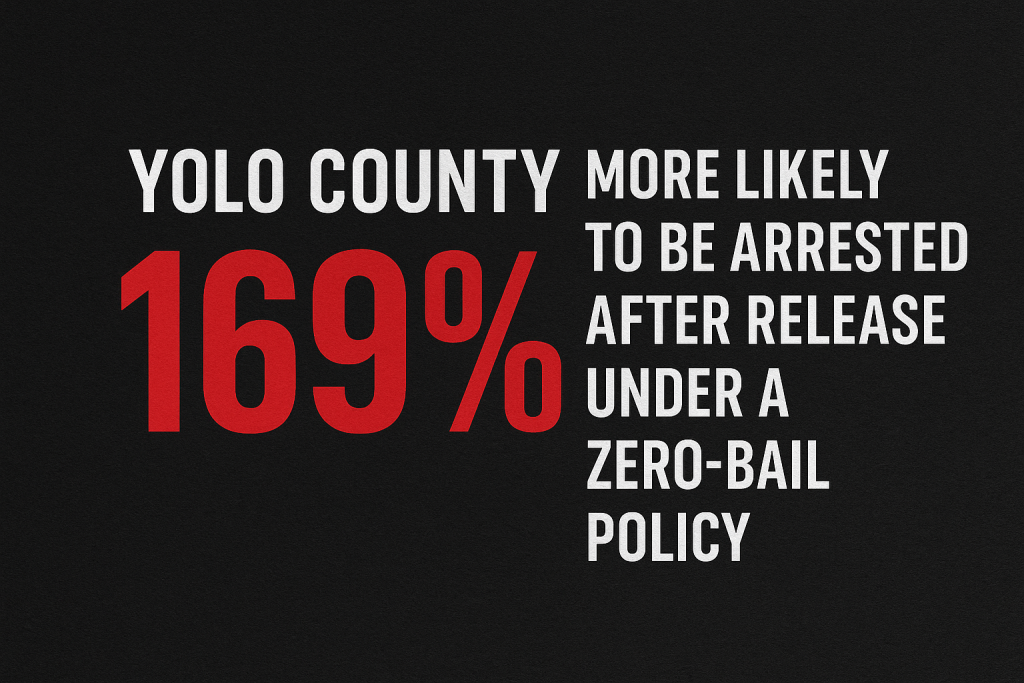
- Yolo County, California: A county study found individuals released on zero-bail were 169% more likely to reoffend, with violent offenders committing 171% more new crimes compared to those held on bail.
- New York State: Following bail reform, rearrests increased for defendants facing nonviolent felonies and for repeat offenders. Even studies friendly to reform admit that those flagged as high-risk were more likely to commit violent crimes when freed without bail.
- Houston, Texas: Local reports connected relaxed release rules and fraudulent bail practices to repeat violent crimes, fueling public outrage and demands for stricter oversight.
The pattern is undeniable: when financial accountability is removed, community safety takes the hit.
Why Bail Still Matters
Cash bail may not be flawless, but it remains one of the few tools that balances fairness with responsibility:
- Accountability: When defendants—or their families—post bail, they have something real to lose if they skip court or reoffend. That financial stake matters.
- Public Safety Filter: Bail decisions, often backed by bondsmen and judges, act as checkpoints to keep dangerous individuals from being casually released back into neighborhoods.
Had such safeguards been in place, Zarutska’s killer likely would not have been free to reoffend.
The Human Cost of Failed Reform
Cashless bail is often framed as progress, but the consequences are written in blood. Every policy choice carries a cost, and in this case, the cost is innocent lives.
States like Texas have already drawn a line, enacting the Damon Allen Act, which bans cashless bail for violent offenders. That’s the kind of common-sense approach needed nationwide.
Cashless Bail Just Doesn’t Work.
Reform should never come at the expense of public safety. The tragic death of Iryna Zarutska proves what studies have been saying for years: eliminating bail for high-risk offenders fuels higher crime, repeat arrests, and more victims.
Cashless bail doesn’t just fail communities—it endangers them.

